Luxury Watch Service Cost London: 2026 Guide
TL;DR: A full luxury watch service in London in 2026 costs between £290 and £900 from an accredited specialist, and £500 to £1,400 from the manufacturer direct, depending on the brand and movement complexity. Rolex full services start around £440 from a specialist independent and £700+ through Rolex’s own service centres. Battery replacements run £30–£90. Vintage restoration sits in a separate £600–£3,000+ band.
If you’ve inherited a watch, bought one second-hand, or worn the same piece for five-plus years, the question on your mind is the same one we get asked every week: how much should I budget for the service?
The honest answer depends on three things; the brand, the movement complexity, and which of three service routes you take.
This guide gives you the 2026 numbers for each, across the brands London owners actually ask about.
We’ve been servicing luxury watches from our Hatton Garden workshop since 1985, and the figures below reflect both current SwissMade pricing and the wider London market we operate in.
The Short Answer: What You’ll Pay in London (2026)
For most owners, the figures that matter are these:
-
Battery replacement (quartz luxury watch): £30–£90
-
Basic maintenance (light service, no full strip-down): £150–£300
-
Full service three-hand automatic: £290–£600
-
Full service Rolex (steel sports model): £440–£700 independent, £700–£900+ manufacturer-direct
-
Full service chronograph or annual calendar: £450–£900
-
Vintage restoration (case, dial, movement): £600–£3,000+
-
Turnaround: 8–12 weeks for a full service in London; 20-30 weeks if you send a Rolex through Rolex’s own UK service network.
That’s the headline. The rest of the article is the why, the by-brand detail, and how to avoid overpaying.
What Affects the Cost of a Luxury Watch Service
Six factors drive the price of any luxury watch service.
None of them are surprising once you see them but they’re the reason a quote for “a service” varies by £400+ between two workshops looking at the same watch.
1. Movement complexity. A three-hand automatic (Rolex Datejust, Omega Aqua Terra, TAG Heuer Carrera three-hand) is the baseline.
A chronograph adds 40-80% to the labour. An annual or perpetual calendar adds more again. Tourbillons, minute repeaters and split-seconds chronographs are in a different category entirely.
2. Brand and parts cost. Parts are charged at the manufacturer’s trade price. A genuine Rolex mainspring is priced differently to a genuine Omega mainspring.
Some brands (Patek Philippe, Audemars Piguet, A. Lange & Söhne) charge significantly more for replacement components than others, which feeds through into the total.
3. Condition of the watch. A watch that’s been serviced regularly and lightly worn is straightforward; clean, lubricate, regulate, pressure-test.
A watch that’s been on the wrist for ten years without service may need a new mainspring, possibly a new escape wheel, sometimes a new crown stem, and a thorough inspection of the case and bracelet. Cumulative wear adds parts cost.
4. Service route. Manufacturer-direct, accredited specialist, and specialist independent each price differently for equivalent work. We break this down in detail in the next section.
5. Water resistance restoration. A diver’s watch (Rolex Submariner, Omega Seamaster, TAG Heuer Aquaracer) needs pressure testing as standard.
Restoring water resistance on an older case may involve new gaskets, a new crown, and sometimes a new caseback gasket set, all of which sit on top of the base service.
6. Cosmetic refinishing. Case and bracelet polishing/refinishing is optional but commonly bundled in. London prices typically run £100-£300 depending on the case material (gold and platinum cost more), bracelet style (Jubilee and President require more hand-work than an Oyster), and whether you want a full refinish or just light removal of marks.
Service Cost by Brand: London 2026 Benchmarks
The matrix below is the 2026 London market for a full service (movement strip, ultrasonic clean, lubrication, reassembly, regulation, pressure test, light cosmetic refinish).
Prices exclude bracelet refurbishment beyond standard cleaning, dial work, and any replacement parts beyond the standard service kit.
| Brand | Independent specialist | Accredited specialist | Manufacturer direct |
|---|---|---|---|
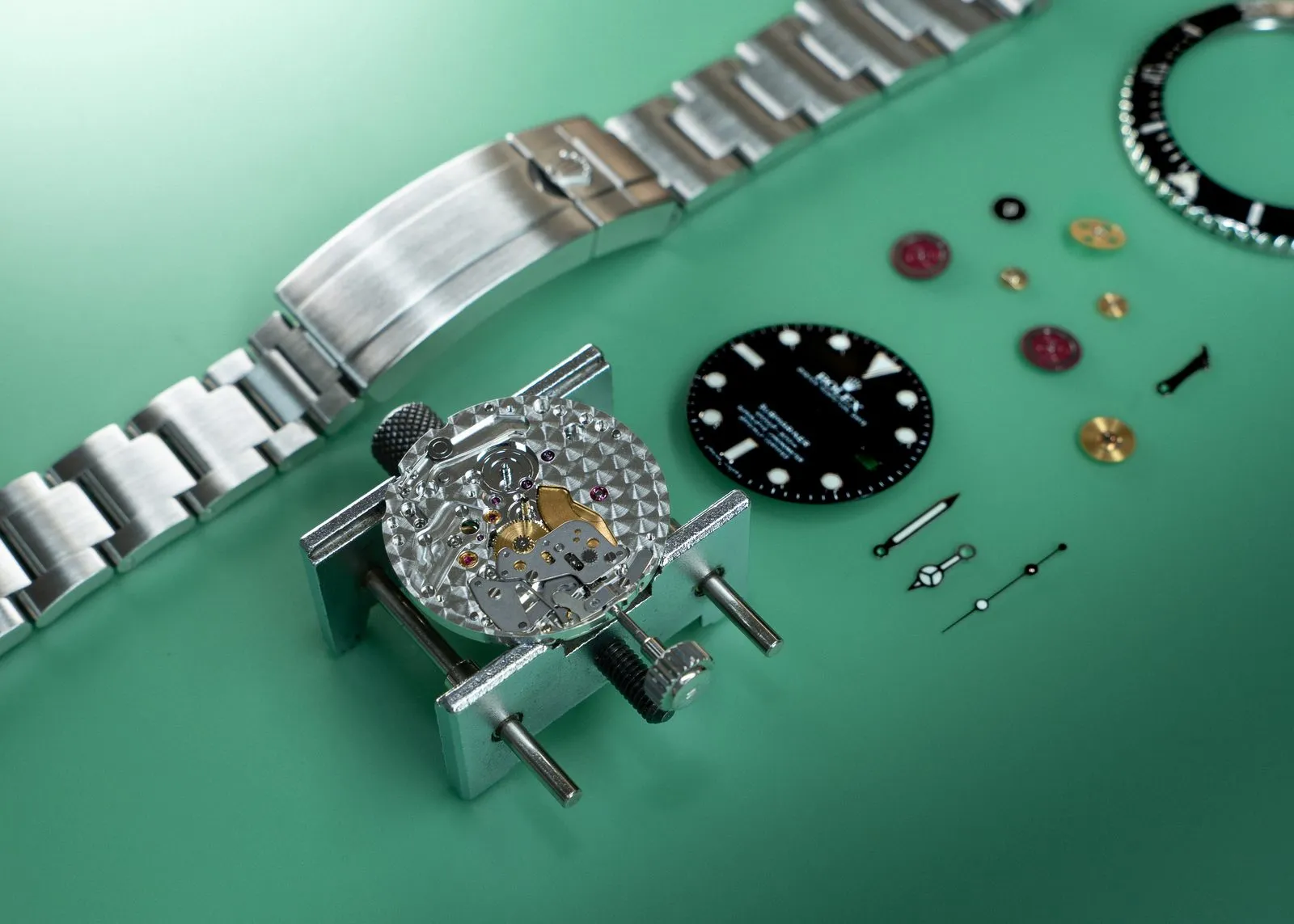
| Rolex (three-hand, steel) | £440-£700 | n/a* | £700-£900 |
| Rolex (chronograph, Daytona) | £700-£1,000 | n/a* | £900-£1,200+ |
| Omega (three-hand) | £350-£500 | £400-£550 | £500-£700 |
| Omega (chronograph, Speedmaster) | £450-£750 | £550-£850 | £700-£1,000 |
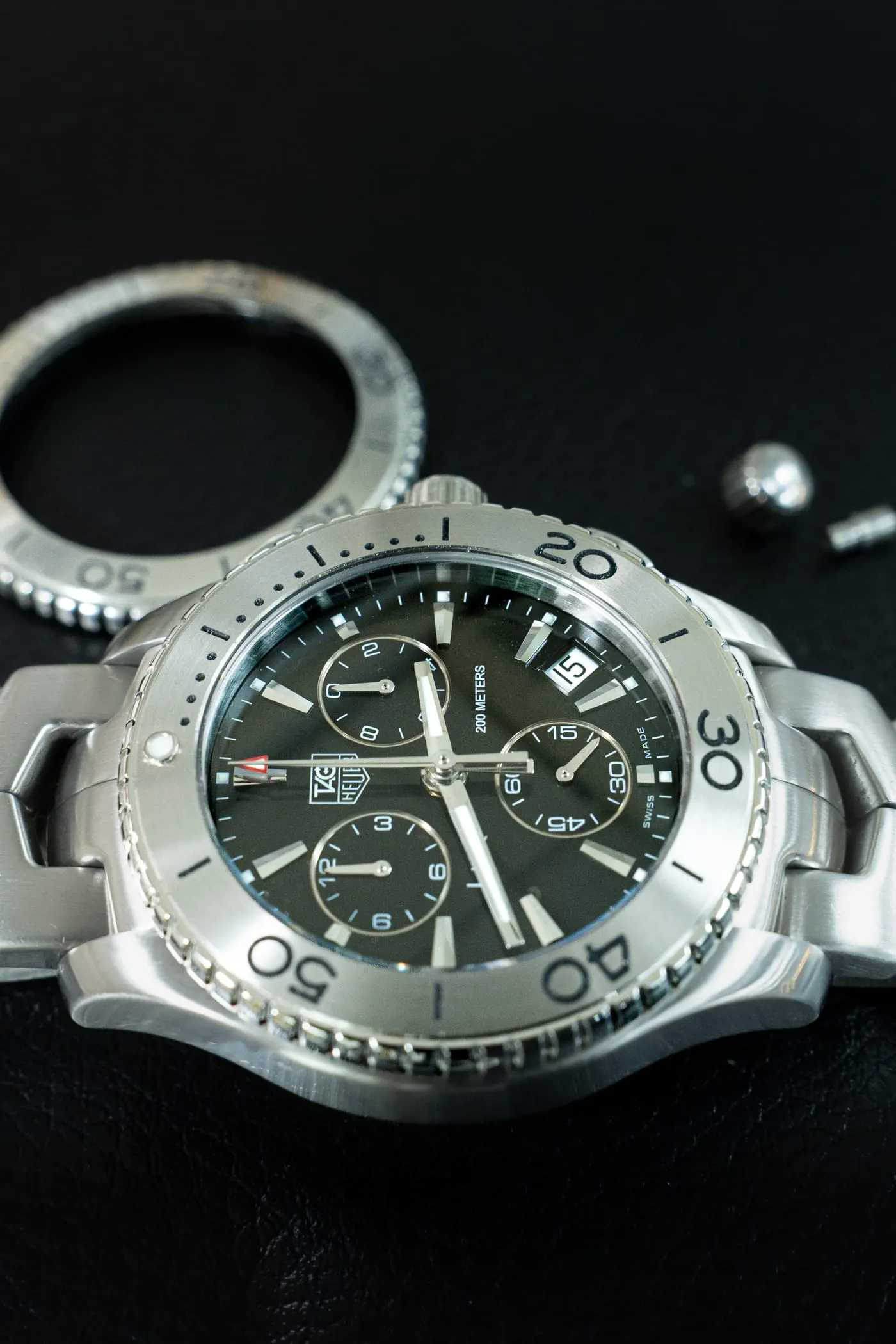
| TAG Heuer (three-hand) | £290-£400 | £350-£500 | £500-£700 |
| TAG Heuer (chronograph, Carrera) | £400-£600 | £500-£700 | £700-£900 |
| Cartier (quartz Tank/Santos) | £200-£300 | £250-£350 | £350-£500 |
| Cartier (mechanical Santos/Pasha) | £400-£600 | £450-£700 | £600-£900 |
| Breitling (chronograph) | £450-£700 | £550-£800 | £700-£950 |
| Tudor (Black Bay, three-hand) | £340-£500 | n/a* | £550-£750 |
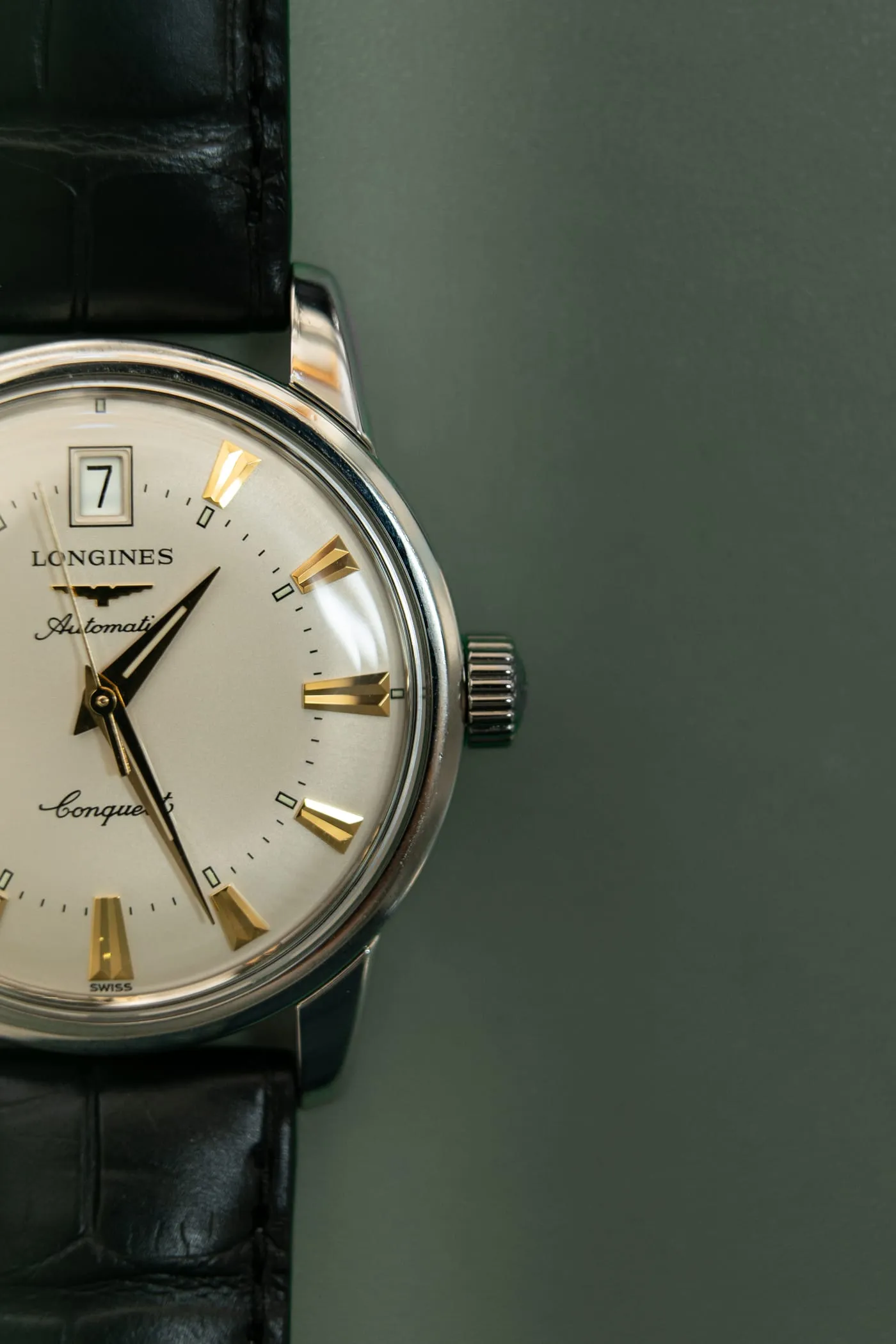
| Longines | £290-£450 | £340-£500 | £450-£650 |
| Tissot | £180-£300 | £220-£340 | £300-£450 |
| Patek Philippe (basic service) | n/a specialist-only | n/a specialist-only | £1,200-£3,500+ |
| Audemars Piguet (basic service) | n/a specialist-only | n/a specialist-only | £1,400-£3,000+ |
*Rolex and Tudor (both Rolex Group) do not authorise independent service centres. All non-manufacturer work on these brands is done by specialist independents.
For brand-specific deep-dives with pricing on every model and service tier:
Two notes on reading the matrix.
First, the “manufacturer direct” column reflects current published pricing where the brand publishes it (Omega does, on Omega’s UK servicing prices page) and current market reporting elsewhere. Brand-direct pricing is the upper end of what you’ll pay, and it comes with the longest waits (typically 20-30 weeks for Rolex through the UK service network, 8-14 weeks for Swatch Group brands).
Second, the “accredited specialist” column reflects pricing from UK workshops directly accredited by the manufacturer to perform service on their behalf.
For Swatch Group brands (Omega, TAG Heuer, Longines, Tissot, Hamilton, Certina, Tudor) and Richemont brands (Cartier, Baume & Mercier), accredited specialists work to the same manufacturer protocols and use genuine parts, but typically price 20-30% below manufacturer-direct and turn the watch around in 8–12 weeks.
The Three Routes for Luxury Watch Service in London (and Their Pricing)
The matrix above splits cost across three routes. Here’s what each one buys you in practice.
Route 1: Manufacturer direct (highest cost, longest wait). The watch goes either directly to the manufacturer’s UK service centre or via an Authorised Dealer who couriers it onward.
Pricing sits at the top of the market of typically 30-50% above an accredited specialist. Turnaround runs 8-30 weeks depending on brand and how the work is dispatched.
Warranty after service is the manufacturer’s own (usually 24 months for the work). For watches under existing manufacturer warranty, this route is the only one that preserves the original warranty unconditionally.
Route 2: Accredited specialist (mid-range). A UK workshop holding direct manufacturer accreditation to perform service on the brand’s behalf.
The work meets the same technical protocol as manufacturer-direct, uses the same genuine parts, but at 20-30% lower pricing and 8–12 weeks against 20-plus weeks for the slowest brand-direct routes.
SwissMade operates as an Official UK Service Centre for ten brands; Omega, TAG Heuer, Cartier, Baume & Mercier, Longines, Tissot, Hamilton, Certina, Ebel and Fortis and offers a 2-year warranty on full services (double the industry standard).
Route 3: Specialist independent (most affordable, often the only option for vintage). A workshop with manufacturer-trained watchmakers but no formal accreditation usually because the brand (Rolex chief among them) doesn’t authorise independents.
Pricing typically sits 30-40% below manufacturer-direct, turnaround is 8–12 weeks and the warranty is the workshop’s own. For older watches that manufacturer service centres decline (Rolex’s own service centres frequently refuse pieces over around 35 years old), a reputable specialist independent is often the only practical route.
If you’d like more help working out which route to take, we go through the full decision framework in how to choose a luxury watch repair in London.
What’s Actually Included in a Full Luxury Watch Service
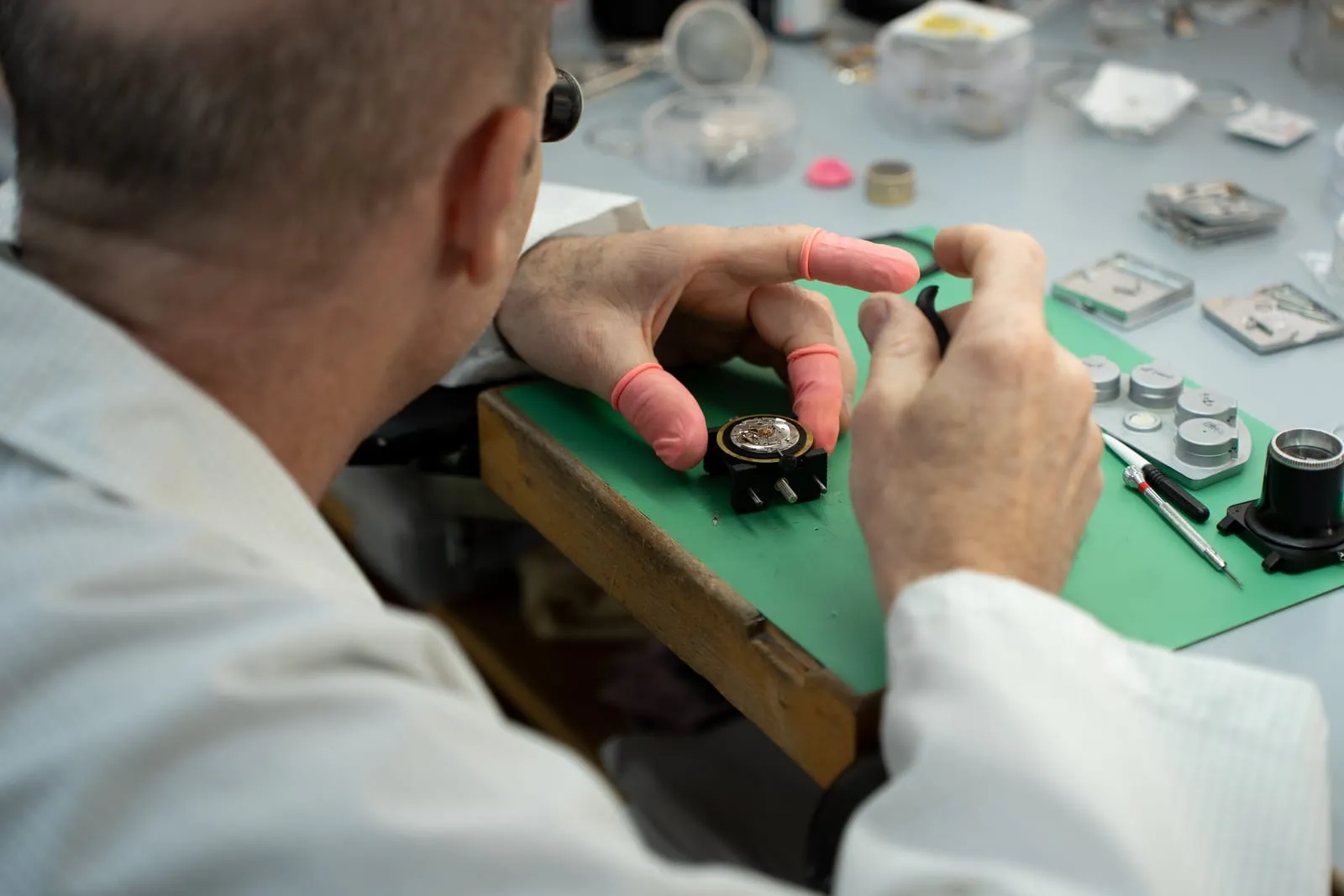
It’s worth knowing what you’re paying for. A full mechanical service at a competent London workshop includes:
-
Initial inspection: visual check, timing measurement on a Witschi timegrapher across multiple positions, water resistance test on the case before opening.
-
Movement removal and disassembly: every component is stripped out, individually catalogued, and assessed for wear.
-
Ultrasonic cleaning: components cleaned in a multi-stage ultrasonic bath using cleaning fluids appropriate to the metal and finish.
-
Component inspection and replacement: worn parts (mainspring, gaskets, friction springs, often the escape wheel and pinions on older watches) replaced with genuine manufacturer parts.
-
Lubrication: the train is re-lubricated using the manufacturer-specified oils (Moebius 9010, 9020, HP-1300, etc.) at the prescribed points and viscosities. Lubrication is where amateur servicing falls apart.
-
Reassembly: the movement is reassembled, the mainspring barrel re-greased and reinstalled, and the watch is wound and tested.
-
Regulation: timing is regulated across six positions on the timegrapher, with target accuracy of -4/+6 seconds per day (COSC chronometer standard, defined by the Contrôle Officiel Suisse des Chronomètres) for the better watches.
-
Case and bracelet refinishing: optional but standard at most workshops: brushed surfaces cleaned and re-brushed, polished surfaces lightly refinished, bracelet de-linked, cleaned, and reassembled.
-
Re-casing and gasket replacement: new case gaskets fitted, crown gaskets replaced, caseback re-seated.
-
Final water resistance test: pressure tested to the manufacturer’s depth rating.
-
Final timing check and packaging: watch is left running for 48–72 hours, re-timed, and returned to the owner.
That’s the work. A workshop that doesn’t do all eleven steps isn’t doing a full service.
If you’re sending an older watch in for restoration rather than service, the process is significantly more involved, see vintage watch restoration for the detail.
How to Spot a Suspiciously Cheap Quote
Genuine luxury watch service involves real costs, labour at watchmaker hourly rates, genuine parts at trade prices, ultrasonic cleaning fluids, lubricants, calibrated test equipment.
When a quote sits well below the matrix above, something in that list isn’t being done.
Three patterns to watch for:
Aftermarket parts substituted silently. A non-genuine mainspring costs a fraction of a genuine one. The watch will run. It will void the manufacturer’s warranty, depress resale value, and won’t last as long.
Steps skipped from the service protocol. No ultrasonic clean, no full disassembly, no regulation across positions, no pressure test. The watch comes back working but ages faster than a properly serviced piece.
Hidden charges added once the watch is on the bench. The headline price was the labour. Parts get quoted later (often at marked-up rates) and you’re committed because the watch is already opened.
The range for a full service on a steel mechanical luxury watch in London in 2026 starts at around £290 (TAG Heuer three-hand at an independent). Anything materially below that is a signal worth investigating.
Practical Ways to Reduce Your Service Cost (Without Compromising the Work)
A few options that don’t involve cutting corners:
Service before symptoms appear. A scheduled service on a watch that’s still keeping good time is the cheapest service you’ll ever pay for.
Servicing only after the watch has stopped (by which point the mainspring has often failed and lubrication has degraded into abrasive sludge) adds parts cost and labour cost.
Decline cosmetic refinishing on watches with patina. For vintage pieces especially, an unpolished case is worth significantly more than a polished one on the resale market. Skipping refinishing saves £100-£300 and often increases the watch’s value.
Use an accredited specialist rather than manufacturer-direct. For Omega, TAG Heuer, Cartier, Longines, Tissot and other Swatch Group / Richemont brands with accredited UK service partners, the saving is typically 20–30% with no compromise in work standard.
Group services if you have multiple watches. Some London workshops (including us) offer a small discount when you send two or three watches together. Worth asking.
Avoid bundled “service every two years” plans. These are common at high-street jewellers and rarely represent value. Mechanical watches don’t need service every two years, they need service every 4-7 years, with battery replacement for quartz pieces every 2-3 years. Pay-as-you-need is almost always cheaper than a maintenance plan.
For more on service intervals and what triggers an actual need to service, see our piece on how often to service a Rolex watch - the principles apply across most mechanical brands.
Frequently Asked Questions
How much does it cost to service a luxury watch in the UK?
Between £150 and £900 for most luxury watches, depending on brand and movement complexity. A three-hand automatic full service ranges from £290 (TAG Heuer independent) to £700 (Rolex manufacturer-direct). Chronographs run £400-£1,000. Battery replacements on luxury quartz pieces cost £30–£90. Vintage restoration sits in a separate £600–£3,000+ band.
How much is a full Rolex service in London in 2026?
£440-£700 through a specialist independent watchmaker (Rolex doesn’t authorise UK independent service centres). £700-£900 through Rolex’s own UK service network, with longer waits. Daytona and other Rolex chronographs cost more; typically £700-£1,200. Older Rolex watches (over around 35 years) may be declined by Rolex’s own service centres and require a specialist independent.
How much for a Cartier watch service?
£200-£300 for a quartz Tank or Santos at an independent, £250-£350 at an accredited specialist, £350-£500 manufacturer-direct. Mechanical Cartiers (Santos automatic, Pasha, Calibre de Cartier) cost £400-£900 depending on route. SwissMade is an Official UK Service Centre for Cartier.
Why does a luxury watch service cost so much?
Three reasons: skilled labour (a watchmaker performing a full service on a chronograph is doing 4–8 hours of bench work at specialist rates), genuine parts (a single Rolex mainspring or Omega oscillating weight costs more than a high-street watch in its entirety), and specialist equipment (calibrated timegraphers, pressure testers, ultrasonic cleaners, manufacturer-specific tools). Each one is unavoidable in a service done properly.
Will Rolex service a 40-year-old watch?
Often not. Rolex’s own service centres frequently decline watches over around 35 years old, citing parts availability for vintage calibres. This is one of the strongest reasons to use a specialist independent watchmaker for older Rolexes as independents keep relationships with vintage parts suppliers, have movement-work experience on calibres Rolex no longer trains for, and will accept watches the brand declines.
How long does a full luxury watch service take in London?
Eight to twelve weeks through an independent or accredited specialist. Twenty to thirty weeks through Rolex’s UK service network, eight to fourteen weeks for Swatch Group brands sent directly. Battery replacements are typically same-day. Vintage restoration involving dial or case work runs ten to fourteen weeks.
Do I save money by sending my watch outside London?
Sometimes marginally, but rarely by enough to offset the loss of in-person handover, easier follow-up, and the concentration of skilled watchmakers in central London. A well-run London workshop is typically priced within 5-10% of comparable workshops elsewhere in the UK, and you get the convenience of dropping the watch off in person.
Is it ever worth paying manufacturer-direct prices?
Yes, in three situations: when the watch is still under manufacturer warranty (only manufacturer-direct preserves that warranty unconditionally), when the watch is unusually complex (high-complication Patek, AP, Lange, Richard Mille), and when you want a manufacturer-stamped service in the service papers for resale or insurance reasons. For everything else, an accredited specialist or specialist independent gives you the same work at a meaningfully lower price.
Ready to get a real quote on your watch?
Every watch we look at gets a free, written estimate before any work begins, no obligation to proceed. Free insured postage nationwide if you’d rather not visit. Two-year warranty on full services. Eight to twelve weeks turnaround.
Start your repair | Call 020 7405 8504 | See all brands we service
For more context on our Hatton Garden workshop, see our Hatton Garden watch repair guide. For help choosing the right specialist, see how to choose a luxury watch repair in London.