Why Has My Rolex Stopped? Causes & What to Do
The short answer: Nine times out of ten, a Rolex that has stopped simply needs winding. Rolex watches are mechanical (they have no battery) and rely on the movement of your wrist to stay running. If your watch has been sitting unworn for a couple of days, a quick manual wind should bring it back to life. If it doesn’t, read on.
If your Rolex has stopped and you’re worried something is wrong, take a breath.
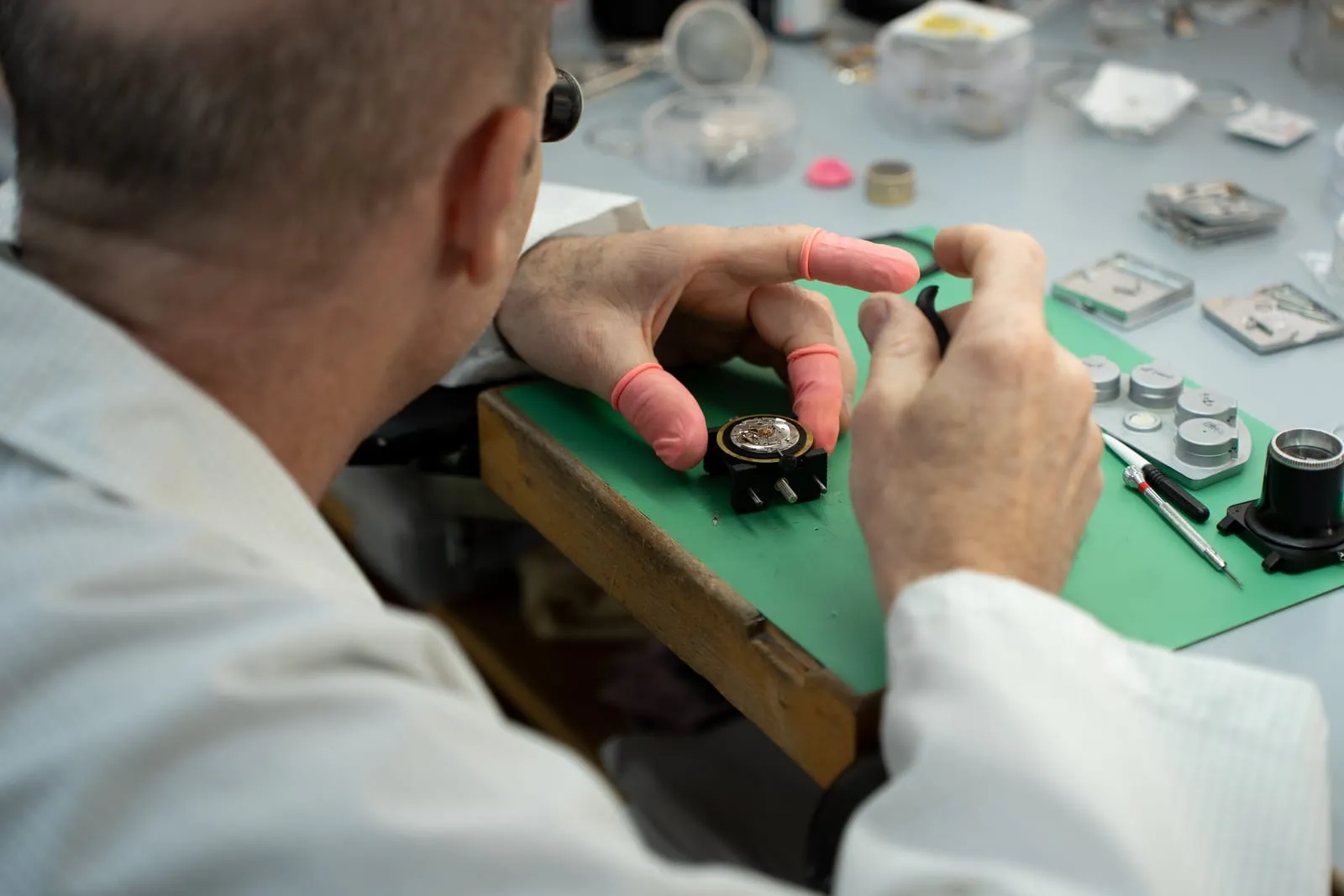
A stopped Rolex is one of the most common things our watchmakers see at our Hatton Garden workshop, and in the vast majority of cases it’s nothing to be concerned about. Your watch hasn’t broken. It’s simply run out of stored energy.
That said, there are times when a stopped Rolex needing repair is telling you something more significant, that it’s overdue a service, that it’s been exposed to a strong magnetic field, or that a component inside the movement has worn out.
Below, we’ll walk you through exactly what to check, what you can do yourself, and when it’s time to send your watch to a specialist.
Why Has Your Rolex Stopped? The Most Common Cause
Every modern Rolex (with the exception of the Oyster Perpetual Quartz models from the 1970s–80s) is powered by an automatic mechanical movement.
There’s no battery inside. Instead, a small weighted rotor spins as you move your wrist throughout the day, winding the mainspring and storing energy.
When fully wound, most Rolex movements hold a power reserve of around 48 to 72 hours, depending on the calibre. The newer Calibre 3200 series movements found in current-production models offer approximately 70 hours. Older movements (such as the Calibre 3135 used in Submariner and Datejust models for decades) typically hold closer to 48 hours.
So if you take your Rolex off on Friday evening and don’t put it back on until Monday morning, it will almost certainly have stopped. This is completely normal and no cause for concern.
How to Wind Your Rolex and Get It Running Again
If your Rolex has stopped after sitting unworn, here’s what to do.
Unscrew the crown. On most Rolex models, the crown (the small knob at the 3 o’clock position) screws down against the case for water resistance. Turn it anti-clockwise until you feel it release and pop out slightly. This is the winding position.
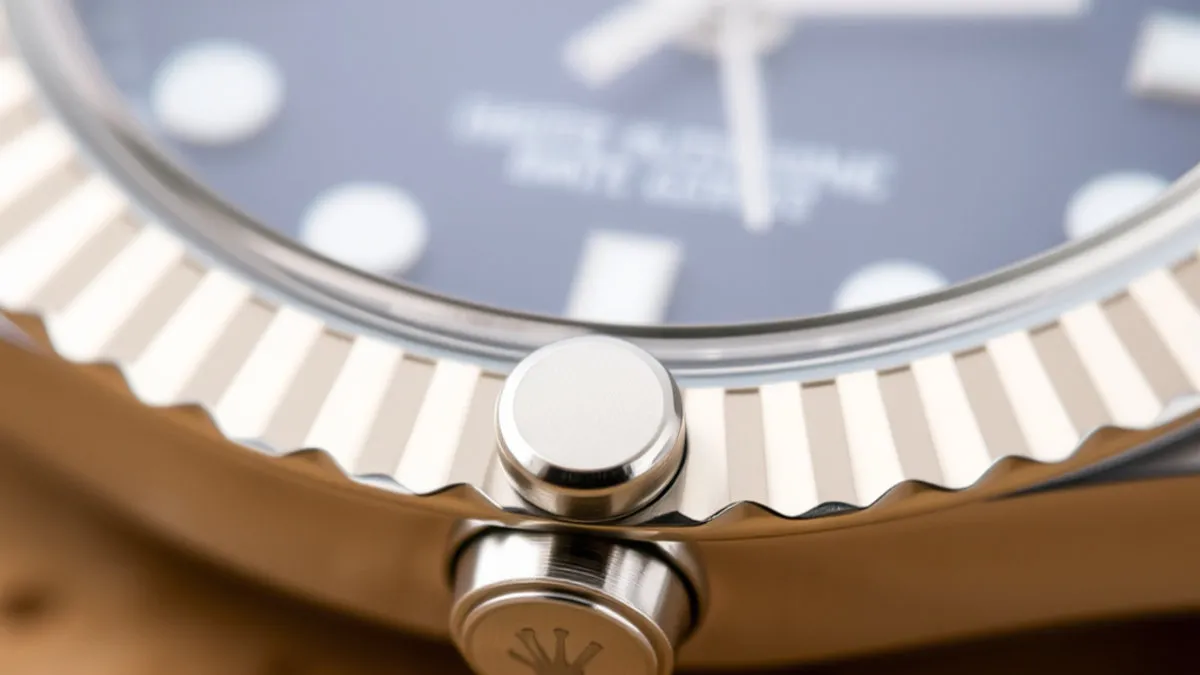
Wind it clockwise. Turn the crown gently clockwise (away from you if you’re looking at the watch face) for 25 to 30 full turns. You should feel a slight, smooth resistance as the mainspring tightens. There’s no need to force it, the movement has a built-in mechanism that prevents overwinding.
Screw the crown back down. Once wound, push the crown gently against the case and turn it clockwise until it seats firmly. This restores the water resistance seal, an important step that’s easy to forget.
Your Rolex should now be running. Give it a moment, then check that the seconds hand is sweeping smoothly. Once you put the watch on your wrist, your normal daily movement will keep it wound automatically.
If you own a Rolex but don’t wear it every day, you might find yourself winding it regularly. A watch winder can help, though many of our watchmakers recommend simply winding by hand when you want to wear it, it’s gentler on the movement over the long term.
Other Reasons Your Rolex May Have Stopped
If you’ve wound your Rolex and it still won’t run, or if it starts and stops again quickly, something else may be going on. Here are the causes we see most often in our workshop, roughly in order of how common they are.
Magnetisation. This is increasingly common and something we’re seeing far more often than even five years ago.
Smartphones, tablet covers, handbag clasps, laptop speakers, and even some kitchen appliances generate magnetic fields strong enough to magnetise the hairspring inside your Rolex movement. A magnetised watch typically runs fast, sometimes gaining several minutes a day, but in more severe cases it can stop altogether.
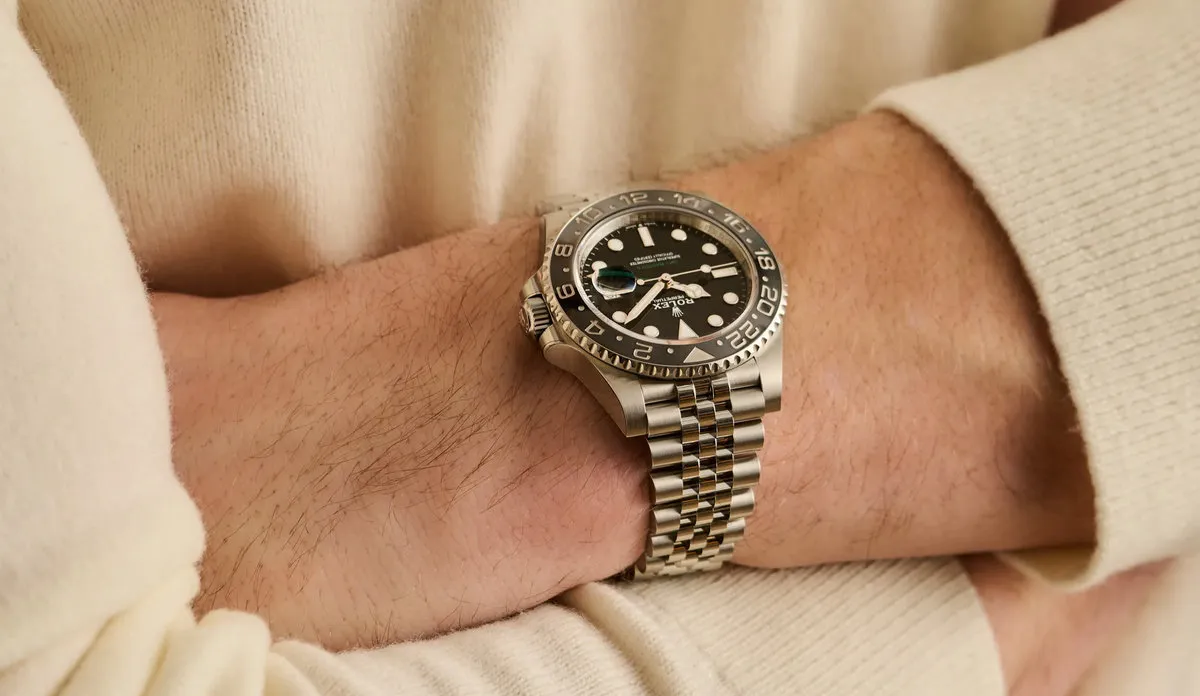
The good news is that demagnetisation is a quick, non-invasive procedure that takes minutes. The not-so-good news is that if the magnetisation is severe or recurring, it can indicate the watch needs a full service.
Dried or degraded lubricants. The oils inside a Rolex movement don’t last forever. Over time, typically after 8 to 10 years of use, they begin to dry out, thicken, or migrate to where they shouldn’t be.
When this happens, the friction between moving components increases, the power reserve drops, and eventually the watch may stop even while being worn. This is the most common cause we see in watches that haven’t been serviced in a long time, and it’s exactly why Rolex recommends regular servicing at appropriate intervals.
A broken or fatigued mainspring. The mainspring is the coiled strip of metal that stores the energy from winding.
After years of constant coiling and uncoiling, it can fatigue, lose tension, or in some cases snap. If you wind the crown and feel no resistance at all (it just keeps spinning freely) a broken mainspring is the most likely culprit. This requires a professional repair and a replacement mainspring.
Impact damage. Rolex watches are robust, but a hard knock can still dislodge or damage internal components. If your watch stopped shortly after being dropped or knocked hard against something, it needs to be inspected by a specialist watchmaker.
Moisture ingress. If you notice condensation under the crystal, even a faint misting, send your watch for servicing as soon as possible.
Moisture inside the case can cause rapid corrosion to the movement and dial. Don’t wait and hope it clears on its own; the longer moisture sits inside, the more damage it does.
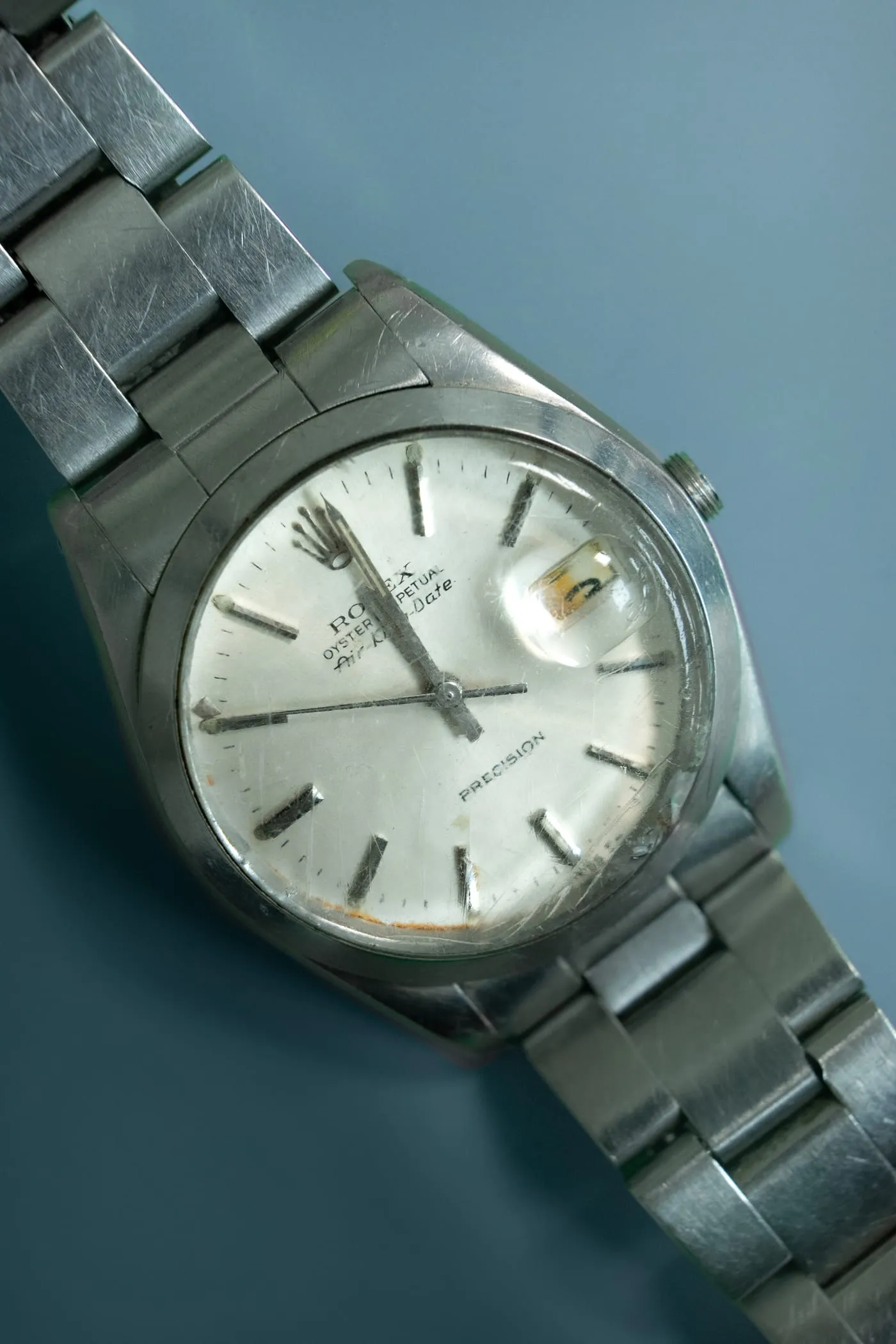
Worn gaskets on older watches. Vintage Rolex watches, particularly those over 25 to 30 years old, often have gaskets and seals that have hardened with age.
This compromises water resistance and can allow dust or moisture into the movement. If you own a vintage Rolex, it’s worth having the gaskets inspected and replaced as part of a routine service.
This is something we specialise in at SwissMade, where official Rolex Service Centres may decline watches over 35 years old, our watchmakers have the experience and tooling to restore vintage pieces sympathetically.
What You Can Check Before Booking a Repair
Before you send your Rolex anywhere, a few simple checks can help you work out what’s going on.
Wind it properly and wait. Give it a full 30 turns of the crown and set it down, dial facing up. If it runs for several hours and then stops, the power reserve may be depleted and the watch simply needs wearing or winding more frequently. If it stops within minutes, something mechanical is likely at fault.
Listen and feel while winding. You should feel gentle, consistent resistance. If there’s no resistance at all, the mainspring may be broken. If you hear or feel grinding, clicking, or irregular resistance, internal components may need attention.
Check the timekeeping. If your Rolex is running but gaining or losing more than a few seconds per day, magnetisation or a service issue is likely. A Rolex gaining five or more minutes per day is a classic sign of magnetisation.
Look at the crystal. Any condensation, fogging, or water droplets under the glass mean moisture has entered the case. This needs professional attention urgently, don’t open the case yourself, and avoid exposing the watch to further temperature changes.
When Your Rolex Needs Professional Servicing
If your Rolex won’t start after winding, keeps stopping, is running significantly fast or slow, or shows any sign of moisture inside the case, it needs to be looked at by a qualified watchmaker.
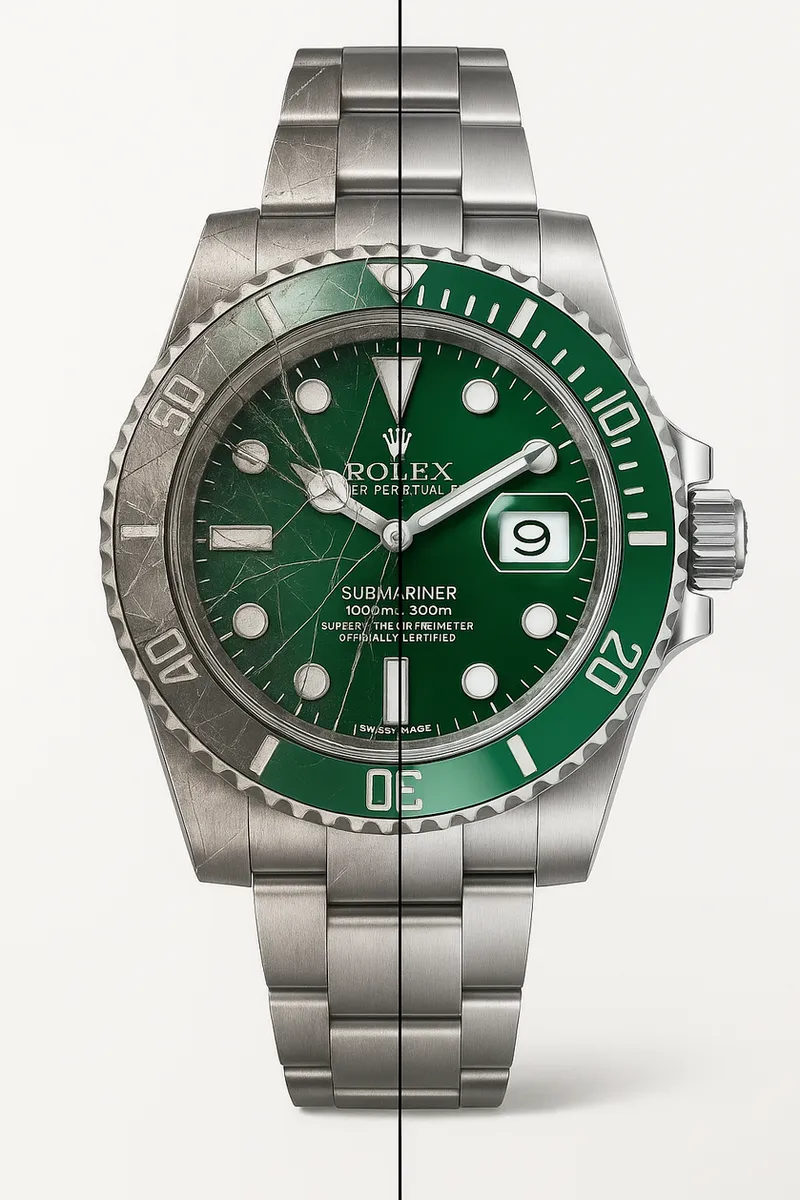
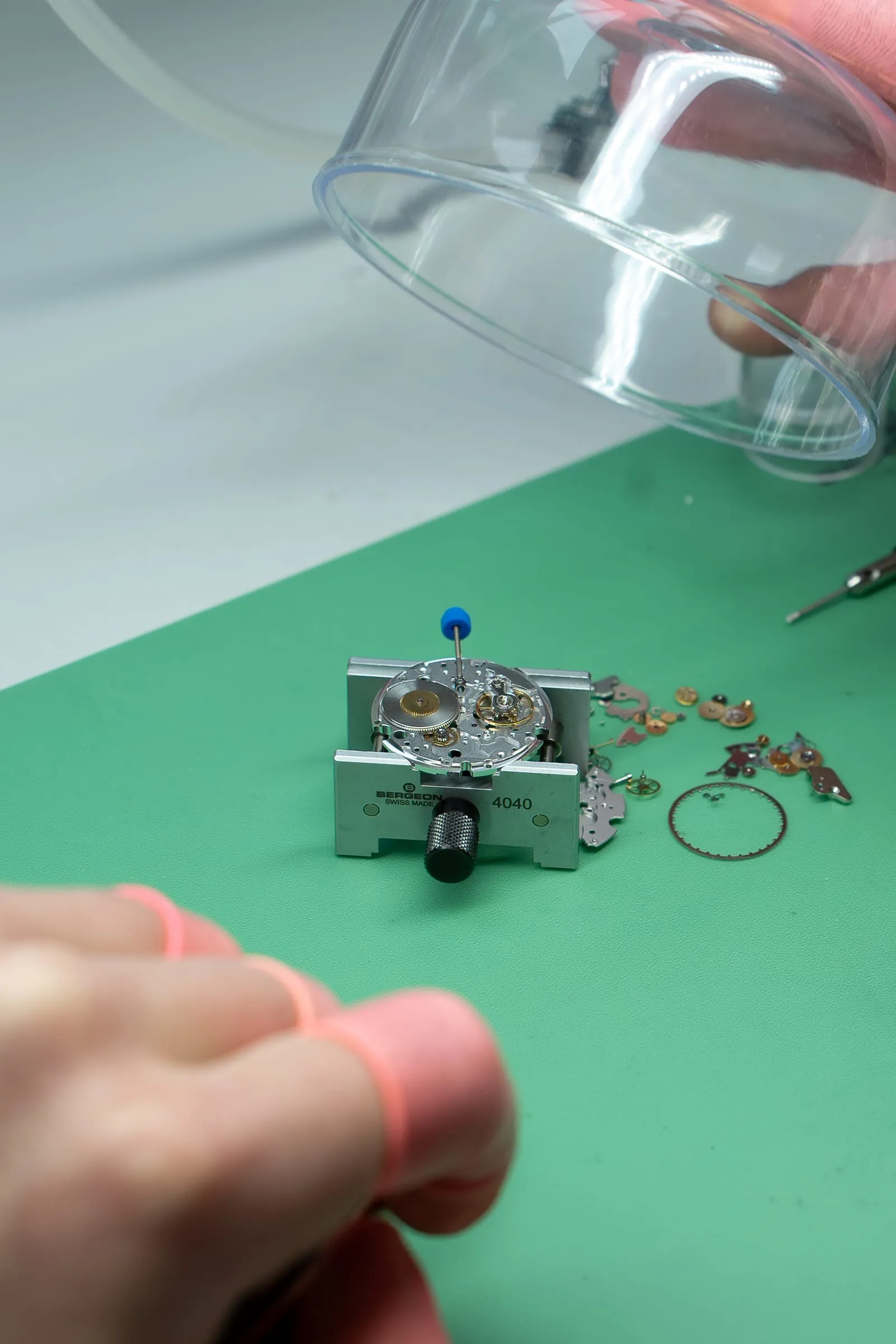
At SwissMade, a Rolex basic service starts from £298 and a full service, which includes complete disassembly, ultrasonic cleaning, replacement of worn components with genuine Rolex parts, and precision testing, starts from £598. Both come with free diagnostics, so you’ll receive a detailed estimate before any work begins.
Our turnaround is 4 to 6 weeks, compared to 20 to 30 weeks at an official Rolex Service Centre. Every repair is backed by a comprehensive 2-year warranty covering movement accuracy and water resistance.
If you’re anywhere in the UK, we offer free insured postage. We’ll send you a secure collection pack, insured up to £25,000, so you don’t need to be in London to use our service. You can also track your repair online throughout the process.
Not sure whether your Rolex needs a service or just a wind? You’re welcome to call us on 020 7405 8504 and one of our team will help you work it out over the phone.
Frequently Asked Questions
How much does it cost to repair a Rolex that has stopped?
It depends on the cause. If your Rolex simply needs winding, there’s no cost, you can do it yourself at home. If it needs a professional service, a basic service at SwissMade starts from £298 and a full service from £598, using genuine Rolex parts. You’ll always receive a free diagnostic assessment and estimate before any work begins, so there are no surprises.
How long can a Rolex go without being worn before it stops?
Most Rolex watches have a power reserve of 48 to 72 hours, depending on the movement. Current-production models with the Calibre 3200 series offer around 70 hours. Older calibres, such as the 3135, hold closer to 48 hours. Once the power reserve runs out, the watch will stop until it’s wound again, either manually or by wearing it.
Can you overwind a Rolex?
No. Every modern Rolex automatic movement includes a slipping clutch mechanism that disengages the winding system once the mainspring is fully wound. You can turn the crown as many times as you like without causing any damage. That said, there’s no benefit to excessive winding, 25 to 30 turns is more than sufficient.
How do I know if my Rolex is magnetised?
The most common sign is the watch running fast, often gaining several minutes per day rather than the few seconds you might normally expect. In more severe cases, the watch may stop intermittently or behave erratically. If you suspect magnetisation, a watchmaker can test and demagnetise the movement in a matter of minutes. It’s a straightforward procedure and doesn’t require a full service unless the magnetisation has been present for a prolonged period.
Why has my Rolex stopped even though I wear it every day?
If your Rolex stops despite daily wear, the movement likely needs servicing. The most common cause is dried or degraded lubricants inside the movement, which increase friction and reduce the effective power reserve. Rolex recommends servicing every 10 years, though many watchmakers (ourselves included) suggest every 5 to 7 years depending on how the watch is used.
Ready to Get Your Rolex Running Again?
If your Rolex has stopped and a manual wind hasn’t solved it, our specialist watchmakers at SwissMade are here to help.
With over 40 years’ experience and 75,000 timepieces restored from our Hatton Garden workshop, we’ll diagnose the issue, give you a clear estimate, and return your watch running like it should, backed by a 2-year warranty.
Start Your Repair or call us on 020 7405 8504.